

WATCH: UAE issues weather alert as heavy rain sweeps Al Ain and other areas
Oman and Saudi Arabia also warn of severe weather and potential flooding
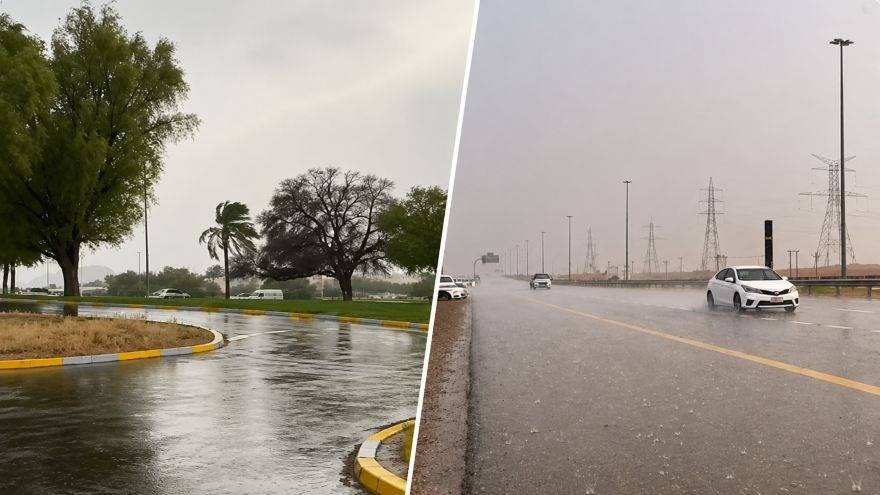
DUBAI – Heavy rain swept parts of the UAE on Wednesday, as unstable weather conditions continued across the country.
The National Centre of Meteorology (NCM) issued orange and yellow alerts for areas at risk of showers, urging residents to remain cautious during outdoor activities. Videos shared by Storm Centre showed intense rainfall and strong winds in Al Ain, including along Nahil Road.
The latest conditions come as forecasters expect rain to continue in parts of the UAE over the coming days, despite the country being in the peak of summer. Temperatures remain exceptionally high, with some areas recording highs of around 50°C.
— المركز الوطني للأرصاد (@ncmuae) August 12, 2026
Weather alerts
The NCM warned residents to take precautions while driving during rainfall and stay away from areas vulnerable to flash floods. People were also advised to avoid open or elevated locations during lightning and thunder.
The weather service cautioned that downdraft winds associated with convective clouds could cause loose objects to become airborne and reduce horizontal visibility. Residents were urged to follow safety measures issued during periods of convective cloud activity and rely on official weather updates.
أعلى درجة حرارة سجلت على الدولة هذا اليوم 49.7 درجة مئوية في سويحان (العين) الساعة 15:30 بالتوقيت المحلي لدولة الإمارات.
— المركز الوطني للأرصاد (@ncmuae) August 12, 2026
The highest temperature recorded over the country today is 49.7°C in Sweihan (Al Ain) at 15:30 UAE Local time. pic.twitter.com/iT3XImHtlO
Authorities also stressed the risks posed by valleys, low-lying locations and flood-prone areas. Residents were advised not to attempt crossing flooded wadis, while walking through pooled water and allowing children to play in such areas was also discouraged.
Abu Dhabi Police typically urges motorists to exercise additional caution during rainy conditions and follow variable speed limits displayed on road signs and electronic guidance boards.
Residents have also been encouraged to monitor forecasts through official channels and comply with instructions issued by the relevant authorities. The NCM urged the public not to spread rumours and to rely on its official reports for weather information.
El Niño factor
The unusual rainfall during the hottest part of the year had already been highlighted by weather experts. NCM says the ongoing El Niño wave could be contributing to the rainfall.
El Niño is a natural climate pattern that occurs every two to seven years and generally lasts for about a year. It develops when surface waters in the equatorial Pacific Ocean become warmer than usual, triggering changes in global wind patterns and the distribution of rainfall.
In the UAE, the phenomenon is understood to contribute to increased atmospheric moisture, which has been particularly noticeable through higher humidity in recent days, especially at night.
However, the additional moisture does not mean temperatures will fall significantly. Convective cloud formation can increase the likelihood of rain, while temperatures are expected to remain high because of the extreme summer heat affecting the region.
Regional rain
The unsettled conditions have also extended across parts of the Arabian Peninsula. Oman warned residents about possible flash floods as heavy rain affected the Hajar Mountains along the UAE-Oman border. Oman's meteorological authorities also forecast hail in the affected areas and issued weather alerts.
In Saudi Arabia, the national meteorological centre warned of thunderstorms and hail in several regions. Heavy rainfall and strong winds were also expected, with gusty conditions potentially raising dust and reducing visibility.